Beginning on Your Contract Journey: Timeline & Requirements
So, you're ready to become a certified stringer? It's a rewarding pursuit, but understanding the process and required qualifications is key. Typically, the complete process can span anywhere from 3 to 6 weeks, depending on your location, the specific validating organization you choose, and your existing background. Initially, you'll need to investigate different accreditation programs – some necessitate a defined education, while others highlight a verified body of work of your previous assignments. A common initial stage involves passing a preliminary assessment to gauge your expertise. Subsequently, expect a period of rigorous education, potentially including practical exercises and a culminating exam. Ultimately, upon favorable achievement, you'll obtain your recognized approval. Always verify the particular aspects on the accrediting institution's platform for the most up-to-date data.
What's the Duration is the Contract Accreditation Pathway?
The lengthy contract approval journey can vary considerably depending on the specific institution providing it. Generally, expect roughly several weeks to a few periods to complete all requirements. This encompasses more info initial application review, completing mandatory coursework – which might be remote or in-person – passing examinations, and occasionally undergoing a practical investigation. Certain courses might also demand previous experience or a showcase of a work, which can further increase the overall timeline. It’s always to carefully investigate the precise certification course's timeline before enrolling.
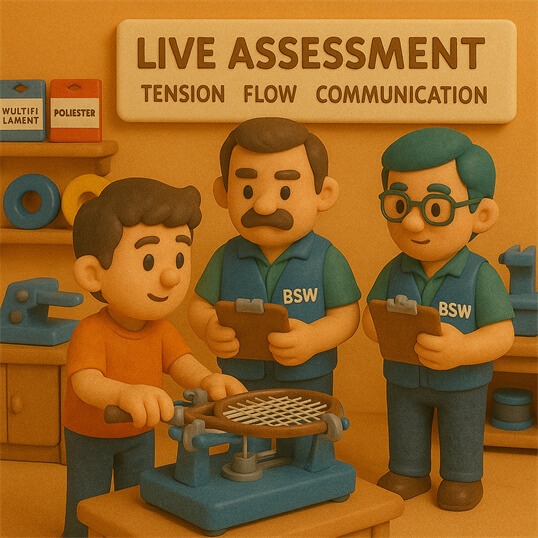
Here's a short breakdown:
- Application & Assessment: 1-4 days
- Coursework Completion: 8-12 days (depending on pace)
- Examination Preparation & Taking: 3-4 weeks
- Practical Investigation (if applicable): 1-3 days
Evolving Seeking to Accredited: Freelance Certification Timelines
The path to obtaining a contract qualification isn't typically instantaneous; foresee a variable timeline. Generally, it could take anywhere from seven to 6 periods, although this is heavily dependent on multiple factors. These include the specific controlling body or institute offering the qualification, the applicant's prior history, and the thoroughness of the required instruction. Some programs may involve intensive coursework, practical assessments, and a formal application system. It's advisable to closely review the specific requirements of your chosen program and plan accordingly, considering in potential delays.
A Road to Freelance Accreditation: A Phased Guide to Timing
Navigating the path to Freelance accreditation might feel complex at first, but understanding the timing involved is critically key to achievement. Initially, you’ll need to satisfy the minimum standards set forth by the governing organization. This usually includes demonstrating proficiency in newsreel recording and knowing journalistic ethics. Following that, give careful focus to the application procedure. This involves providing all required records and maybe attending in an assessment. Keep in mind that reviewing times can vary substantially depending on the number of submissions and the organization's current workload. Lastly, set aside ample of time for all steps and don't hesitating to connect out if you have any queries or need details regarding the timeline.
Just how long Stringer Approval Training Really Takes?
So, you’re interested in becoming a stringer and want to get that required approval? A common question is, "Just how long" does the coursework actually take? The reply isn't always straightforward! It differs significantly depending on the provider, the chosen curriculum, and your own learning speed. Generally speaking, you can plan on spend anywhere from approximately 20 to 40 hours completing the required modules. Some fast-paced training sessions might condense this to 15-20 teaching hours, while more comprehensive training sessions could extend to 50 or even 60 clock hours. Remember to factor in time for assessments and possible re-examinations, which might increase the overall timeline. In the end, it’s recommended to inquire with the chosen training provider for their precise timeframe.
Freelance Journalist Certification Process: Anticipated Time & Key Stages
Navigating the contributing reporter certification process can feel daunting, but understanding the duration and crucial markers will significantly ease the journey. Generally, the complete validation cycle takes anywhere from four to fourteen periods, although this can differ depending on the certain body and the level of proficiency the applicant demonstrates. A typical progression includes an initial application, which may involve providing relevant credentials and a samples of work. Following approval, candidates often attend in a training module that covers ethical journalistic practices and regulatory matters. Next comes the assessment, which may involve a written exam and a practical project. Finally, upon successful finishing, the certification is granted, officially recognizing the stringer's skills.